
Introduction: Mastering WordPress Design Trends in 2026
Modern WordPress Website Design & Trends 2026: The Ultimate Guide to Future-Proofing Your Site
Understanding modern WordPress design trends and selecting the right WordPress themes are foundational to building a site that stands out in 2026. The digital landscape is in a state of perpetual motion. What was cutting-edge yesterday is now standard today and will be obsolete tomorrow. For businesses and creators relying on the WordPress platform, this constant evolution presents both a challenge and an immense opportunity. Simply keeping up with the latest web design trends is no longer sufficient; the new imperative is to build a digital presence that is resilient, adaptable, and prepared for the future. This guide moves beyond a simple forecast of aesthetics. It provides a strategic roadmap for future-proofing your WordPress website, ensuring it remains relevant, engaging, and effective not just in 2026 but for years to come. We will explore the foundational principles, immersive user experiences, and technological shifts that will define the next era of web design, all through the lens of the world’s most popular content management system.
The Ever-Evolving Web: Why Future-Proofing is No Longer Optional
In a world where user expectations double in an instant and technology advances exponentially, a reactive approach to website design is a recipe for obsolescence. Future-proofing is the practice of anticipating future developments and making design and development decisions that ensure your site’s longevity and continued performance. It means building on a flexible foundation that can accommodate new technologies, user behaviours, and design paradigms without requiring a complete overhaul every two years. For a platform as dynamic as WordPress, this proactive mindset is the key to maximising your investment and maintaining a competitive edge.
What “Future-Proofing” Really Means for Your WordPress Site
Future-proofing your WordPress site is not about predicting the future with perfect accuracy. It’s about building for adaptability. This involves focusing on core tenets: a scalable technical architecture, a commitment to web standards, and a user-centric design philosophy. It means choosing flexible WordPress Themes and plugins, prioritising performance and accessibility from day one, and creating a content structure that can evolve. A future-proofed site can integrate emerging technologies, such as artificial intelligence or immersive 3D visuals, without compromising its core functionality, ensuring a seamless user experience across all devices, present and future.
A Holistic Guide: Design, Performance, UX, and Development for Lasting Impact
 A truly future-proofed WordPress site is built on the four interconnected pillars: Design, Performance, User Experience, and Development.
This guide takes a holistic approach, recognising that a truly resilient website design is more than just its visual layer. Lasting impact is achieved at the intersection of four critical domains:
- Design: The visual language, branding, and aesthetic appeal.
- Performance: The speed, efficiency, and stability of the site.
- User Experience (UX): The overall feeling and usability for the visitor.
- Development: The underlying code, architecture, and platform choices.
By addressing each of these areas, you can build a WordPress site that not only captures attention in 2026 but also fosters a lasting connection with your audience.
Core Design Principles for a Resilient WordPress Site (Beyond Fleeting Fads)
Before chasing the next big trend, a future-proof website must be built on a foundation of timeless design principles. These elements ensure clarity, usability, and aesthetic endurance, providing a stable canvas for more dynamic trends.
Strategic Minimalism and Abundant White Space
Minimalism in web design remains a powerful and enduring principle. It’s not about emptiness, but about intention. By stripping away non-essential elements, you prioritise content, enhance readability, and create a calming user experience. Abundant white space (or negative space) is the engine of minimalism; it declutters the layout, draws the user’s eye to key calls to action, and improves comprehension. This focus on “less is more” directly contributes to faster load times, a critical factor for performance and conversions.
Expressive Typography and Visual Hierarchy
With visual elements being simplified, typography steps forward to carry more brand personality and structural weight. In 2026, typography is not just for reading; it’s a primary design element. Large, bold, and even experimental typefaces are used to make statements and establish a strong visual hierarchy. A well-defined hierarchy—utilising size, weight, and colour—guides the user through the content logically, ensuring that the most important messages are presented first. This deliberate use of type creates a sophisticated and memorable website design.
Intentional Colour Palettes and Subtle Gradients
Psychology remains a cornerstone of effective design. Future-proof palettes are intentional, often built around a limited set of core brand colours complemented by versatile neutrals. While vibrant, monochromatic schemes create focus, we’re also seeing the sophisticated return of Gradients. Modern gradients are subtle and organic, used to add depth, direct the eye, or create a soft, ambient background. They add a layer of visual interest without overwhelming the core design.
Custom Illustrations and Unique Visual Storytelling
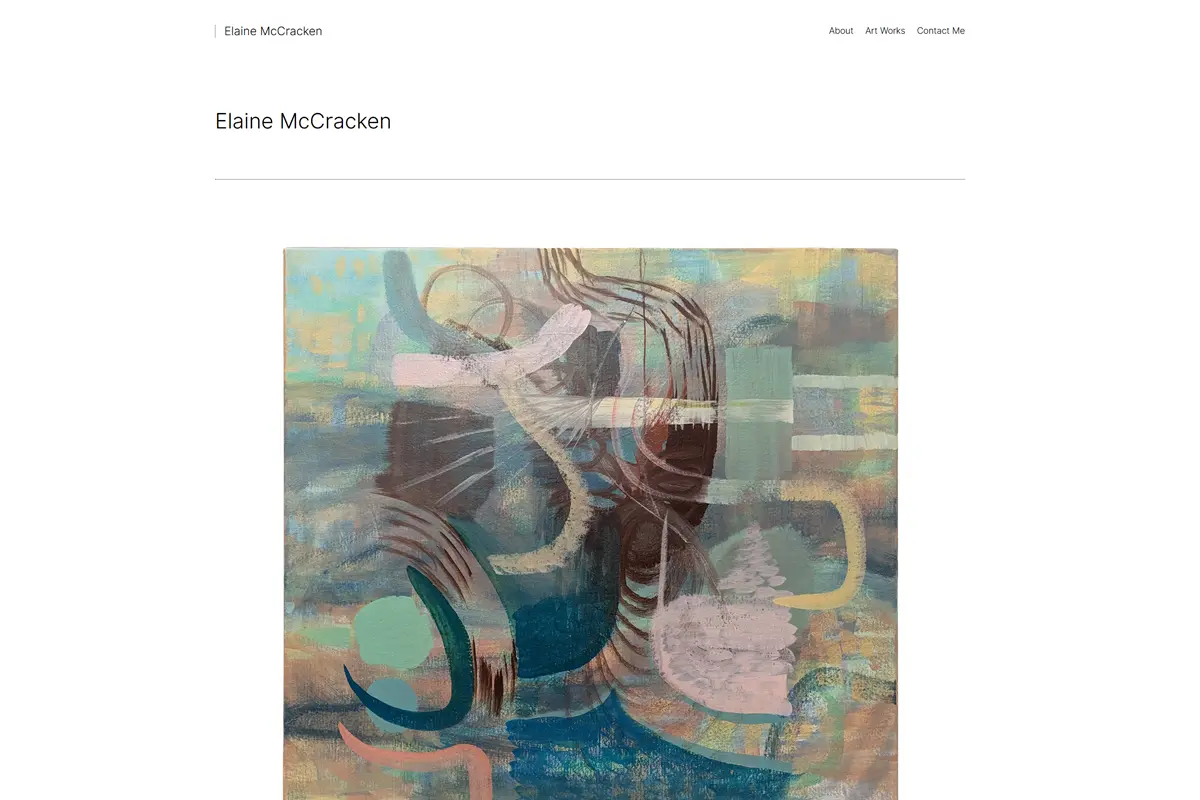
The era of generic stock photography is waning. To build a genuine connection with users, brands are investing in custom illustrations. These unique visuals offer complete creative control, allowing you to craft a visual language that is perfectly aligned with your brand identity. Illustrations can simplify complex ideas, inject personality, and create a cohesive narrative across your entire WordPress site. They differentiate you from competitors and foster a more authentic brand perception.
Responsive Design and Mobile-First Layouts: The Unwavering Foundation
This is the most critical, non-negotiable principle of future-proofing. With the majority of web traffic originating from mobile devices, responsive design is mandatory. However, the modern approach is “mobile-first,” where the design process begins with the smallest screen and expands outward. This forces a focus on core content and functionality, resulting in a cleaner, faster experience for all users. A truly responsive design ensures your site is accessible and functional on any device, today or in the future.
Immersive User Experiences: Engaging and Connecting with Interactivity
With a solid foundation in place, the next layer of a modern WordPress site is creating an immersive and memorable user experience. In 2026, websites are no longer static brochures; they are dynamic environments that encourage exploration and build a more profound connection through interactivity.
Motion Design and Micro-Interactions
Thoughtful motion design transforms a static interface into a responsive and engaging one. This includes everything from subtle page transitions to animated illustrations. At a smaller scale, micro-interactions provide valuable user feedback. A button that changes colour on hover, a subtle animation when an item is added to a cart, or a loading spinner that reflects your brand are all small details that enhance usability and create a feeling of a high-quality, polished platform.
Scroll Storytelling and Cinematic Hero Sections
Users are accustomed to scrolling, and modern web design leverages this behaviour to tell a story. “Scrollytelling” utilises parallax effects, animations, and reveals triggered by the scroll action to guide users through a narrative. This is often initiated by a cinematic hero section—a full-screen, high-impact video or animation at the top of the page that immediately captures attention and sets the tone, drawing the user into the experience from the very first seconds.
Integrating 3D Effects and Interactive Models
Advances in browser technology have made the integration of 3D visuals more accessible. From subtle 3D icons that shift with cursor movement to fully interactive product models that users can rotate and inspect, these elements add a tangible sense of depth and realism to the digital experience. For e-commerce, this can significantly enhance user understanding and confidence, resulting in higher conversions. For any site, it offers a powerful way to create a memorable “wow” factor.
The Rise of Augmented & Virtual Reality (AR/VR)
While still emerging, web-based AR and VR are poised for significant growth. WordPress sites are beginning to incorporate AR features that allow users to visualise products in their own space using their phone’s camera—think trying on glasses or placing furniture in a room. While full VR website experiences are less common, the groundwork is being laid for more immersive brand worlds. Future-proofing means considering how your content and products may evolve in the future to accommodate these new realities.
AI-Driven Personalisation and Smart Features for WordPress
Artificial intelligence is the single most transformative force in web design, shifting from a novelty to a core component of a sophisticated digital strategy. For WordPress, AI unlocks unprecedented opportunities for customisation, efficiency, and user-centric experiences.
AI-Powered Design and Content Creation
AI is becoming an indispensable assistant in the creative process. AI tools can generate unique colour palettes, suggest layout variations, and even create custom illustrations based on simple text prompts. Within the WordPress editor, AI plugins are emerging that assist with writing and refining copy, generating SEO metadata, and ensuring content is clear and compelling. This accelerates the development workflow and opens up new creative avenues.
AI-Driven Personalisation for Dynamic User Journeys
The one-size-fits-all website is a thing of the past. Artificial intelligence allows for deep personalisation at scale. By analysing user behaviour, location, and past interactions, AI can dynamically alter the content a user sees. This could mean showing different hero images to new versus returning visitors, recommending blog posts based on reading history, or personalising product suggestions. This tailored experience fosters a stronger user connection and significantly boosts engagement and conversions.
Conversational Interfaces and Voice Activation
AI-powered chatbots have become more sophisticated, offering instant, 24/7 customer support and lead qualification directly within a WordPress site. Looking ahead, voice activation is the next frontier. Optimising your site for voice search is already critical. Still, future trends indicate a shift toward direct voice-activated navigation and commands on websites, enabling users to interact with your site using natural language for a seamless, hands-free experience.
Ethical AI: Trust, Transparency, and Data Privacy
As AI becomes more integrated, ethical considerations are paramount. Future-proofing your site means building user trust through transparency and open communication. This involves being transparent about what data is being collected and how it’s used for personalisation. It means ensuring AI algorithms are free from bias and that data is stored securely. Prioritising user privacy is not just a legal requirement; it’s a cornerstone of building a long-term, trust-based relationship with your audience.
Performance and Speed: The Cornerstone of Future-Proofing
All the stunning visuals and intelligent features in the world are useless if your website is slow. In the modern web, performance is not just a technical detail—it is a core component of the user experience and a critical factor in SEO success; every fraction of a second counts.
Core Web Vitals Optimisation for Superior User Experience and SEO
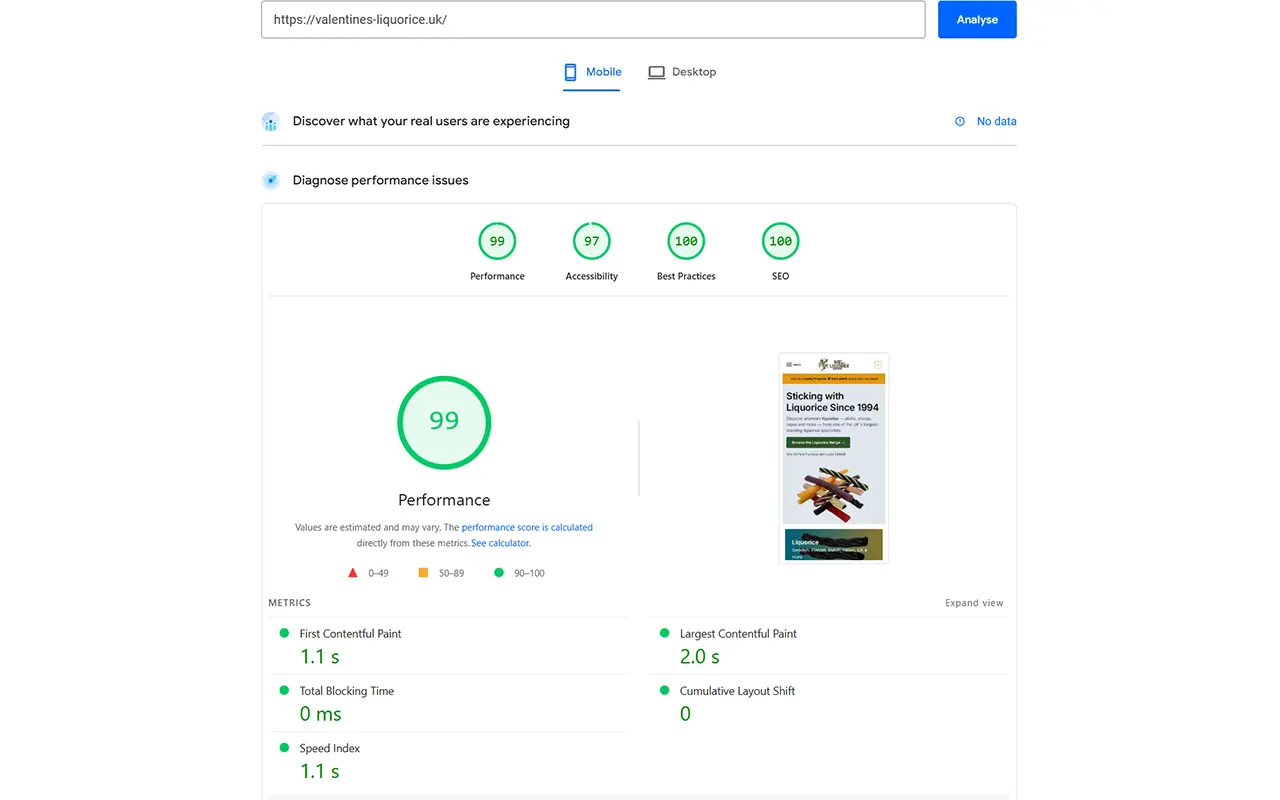
Google’s Core Web Vitals (CWV) are a set of specific metrics that measure a page’s loading performance, interactivity, and visual stability. These are direct ranking factors. Optimising for CWV—Largest Contentful Paint (LCP), First Input Delay (FID), and Cumulative Layout Shift (CLS)—is non-negotiable for a future-proof WordPress site. This ensures a smooth, frustration-free experience for users and signals to search engines that your site is of high quality.
Lightweight Websites and Performance-Focused Themes
Bloat is the enemy of performance. A future-proof strategy involves choosing lightweight, performance-focused WordPress Themes built on clean, efficient code. The rise of block-based themes and Full Site Editing (FSE) in WordPress gives developers more control to create exactly what’s needed without the overhead of multipurpose themes. This philosophy extends to plugins, where every addition should be scrutinised for its performance impact.
Advanced Caching Mechanisms and Content Delivery Networks (CDNs)
Caching is essential for a fast WordPress site. It involves storing a static version of your site to serve to visitors, reducing server load and dramatically speeding up delivery. Modern WordPress hosting and caching plugins offer sophisticated solutions. A Content Delivery Network (CDN) complements this by distributing your site’s assets across a global network of servers, ensuring that content is delivered to users from a location geographically close to them, minimising latency.
Modern Hosting Solutions and Backend Optimisation
Your hosting environment is the engine of your website. Future-proofing requires moving beyond cheap, shared hosting to modern solutions like managed WordPress hosting or cloud-based infrastructure. These services are optimised specifically for the platform, offering server-level caching, the latest PHP versions, and scalable resources. Regular backend optimisation, such as database cleaning and image compression, ensures the server runs as efficiently as possible.
Accessibility and Inclusivity: Designing for Everyone
A truly future-proof website is usable by everyone, regardless of ability or the device they use. Web accessibility is not a niche feature; it is a fundamental aspect of quality design and a legal and ethical imperative.
WCAG Compliance and Best Practices for Accessible WordPress Design
The Web Content Accessibility Guidelines (WCAG) provide the global standard for web accessibility. Adhering to these guidelines—such as providing text alternatives for images, ensuring sufficient colour contrast, and creating logical content structures—is the foundation of an inclusive website. This process begins with selecting accessible WordPress Themes and continues through every stage of content creation.
Accessible Design Patterns and Tools
Building an accessible site involves using correct HTML semantics (e.g., using proper heading tags for structure), ensuring all functionality can be accessed with a keyboard, and designing forms with clear labels and instructions. Fortunately, the WordPress ecosystem offers numerous tools, from plugins that scan for accessibility issues to block editor features that prompt users to add alt text, making it easier than ever to implement these best practices.
Voice-Activated Interfaces and Keyboard Navigation
An accessible website must be fully navigable without the use of a mouse. Users with motor impairments rely on keyboards or other assistive devices to browse the web. Every interactive element—links, buttons, forms—must be reachable and operable via the Tab key. As voice-activated interfaces become more prevalent, ensuring your site has a clean, semantic structure will also make it more compatible with this emerging technology, further extending its reach.
Final Thoughts
The journey toward a future-proof WordPress website in 2026 is not about implementing every trend, but about making strategic, informed decisions. It begins with a rock-solid foundation of timeless design principles, exceptional performance, and unwavering commitment to accessibility. Upon this foundation, you can layer the immersive, interactive, and intelligent features that will captivate modern audiences.
The key takeaway is this: future-proofing is a philosophy of adaptability. By leveraging the flexibility of the WordPress platform, you can create a digital presence that not only looks and feels current but is also architected to evolve. Focus on building a user-centric experience that is fast, intuitive, and inclusive. Embrace artificial intelligence not as a gimmick, but as a tool to forge a deeper, more personal connection with your visitors.
Your next steps should be to audit your current site against these pillars. Evaluate your theme, hosting, and performance metrics to ensure optimal results. Most importantly, begin to think of your website not as a static project, but as a dynamic asset that will grow and adapt with your business. By doing so, you will build a site that is ready for 2026 and poised for sustained success in the digital horizon ahead.
Our Services
Professional WordPress Solutions Tailored to Your Business
Every successful online presence starts with a strong foundation. I provide comprehensive WordPress services, combining technical expertise and strategic thinking to deliver websites that drive actual business results. Each service is designed to work together, creating a complete digital solution for your business.
WordPress Development & Design
Transform your vision into a powerful online presence with a custom WordPress website. I create secure, scalable solutions that combine stunning design with powerful functionality.
Custom WordPress theme development
Mobile-first responsive design
E-commerce and booking systems
Conversion-focused user experience
SEO & Content Strategy
Build your site for success from the ground up with strategic planning that attracts and engages your target audience.
Comprehensive keyword research
Strategic site architecture
Content optimisation framework
Technical SEO Implementation
Launch & Managed Support
Get peace of mind with ongoing support that keeps your website secure, updated, and performing at its best.
Regular WordPress updates
Security monitoring
Performance optimisation
Growth strategy guidance
Do you need a customised service & support plan to fit your needs?
I’m here to help you develop a customised plan that meets your specific needs. Let’s have a conversation!
Schedule a Consultation